GEK TERNA and Rheinmetall
On 24 June 2026 GEK TERNA and Rheinmetall Landsysteme announced a long-term binding strategic framework agreement, following their memorandum of late 2025. The companies describe cooperation on new tactical land systems, maintenance and upgrades, with an ambition to develop capabilities in Hellenic Army industrial facilities and involve Greek SMEs.
A binding framework is a more substantial commercial step than an initial MoU, but it does not disclose the price, quantity or delivery schedule of a Greek vehicle acquisition. Those require programme-specific agreements. Treating the framework as if it were an awarded fleet contract would overstate both military capability and the amount of work already available to subcontractors.
Vehicles, upgrades and availability
Land modernisation is not one purchase. It includes new platforms, upgrades of existing vehicles, electronics, protection, communications, repair and the supply of serviceable components. The effect on a formation depends on how these changes fit together and whether training and support can sustain them.
Replacing an obsolete component can create a useful availability improvement without producing a new vehicle. Conversely, buying a modern vehicle without the required training, spares and repair arrangements can leave a gap between nominal inventory and usable capacity. The industrial map should follow these packages rather than describe the whole field through one platform brand.
Greek electronics in an international tank programme
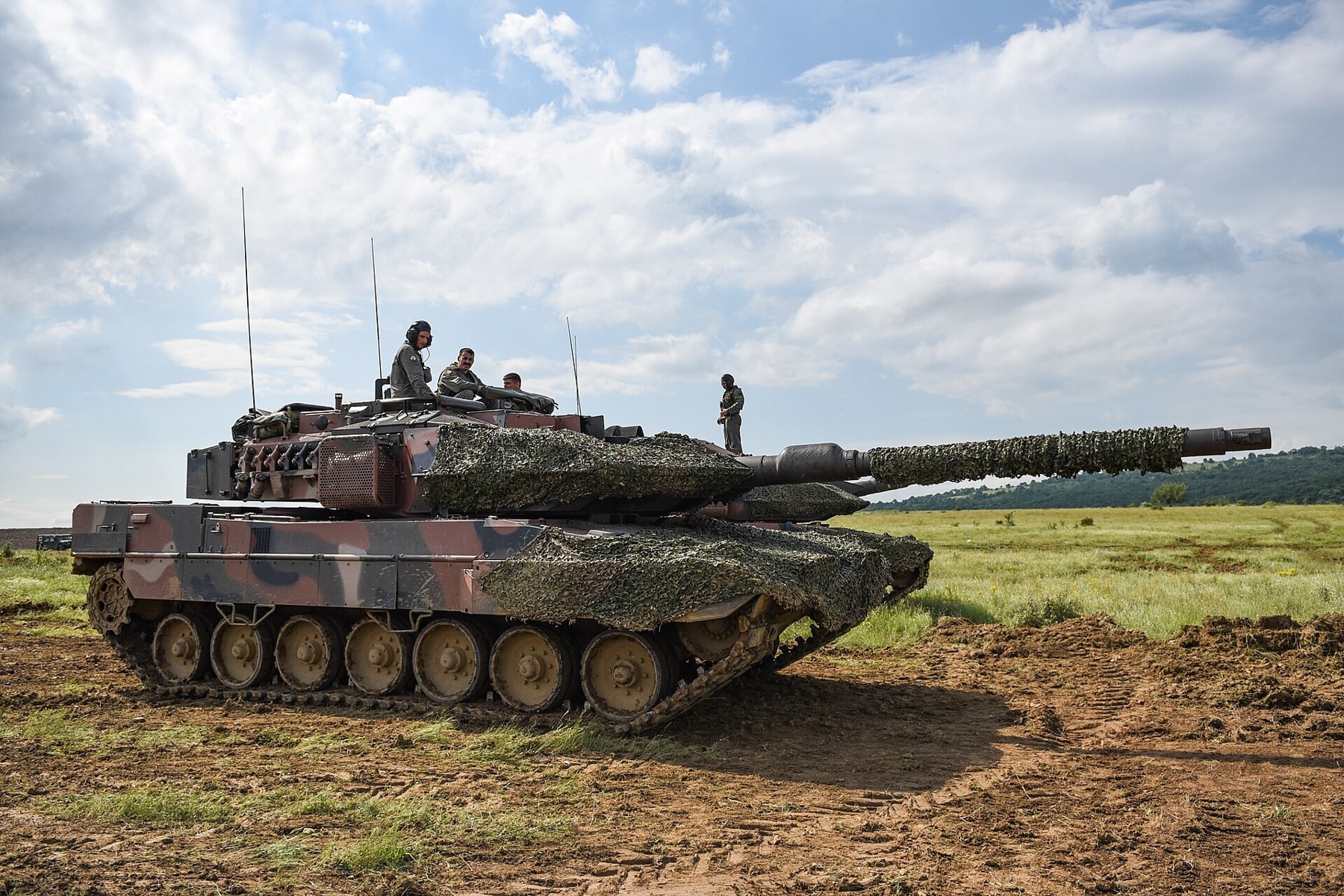
IDE’s published WiSPRevo announcement concerns supply for the Leopard 2A8 programme. This is a concrete example of a Greek subsystem business connected to an international platform supply chain. It is not evidence that Greece has ordered Leopard 2A8 tanks.
The distinction is commercially important. Greek industry can win export work independently of a domestic purchase. Supplier qualification, continued production by the prime contractor and repeat subsystem orders can create durable value. The buyer’s nationality and the location of the end-user fleet should therefore be recorded separately from the location of the component manufacturer.
RM-70 work must follow the procurement stage
GDAEE’s 2 November 2026 notice records the opening of offers in tender 04/2025, associated with the RM-70 modernisation process covered in our reporting. Offer opening is an administrative milestone, not an award to a named contractor. The subsequent evaluation, decision and contract are separate events.
This is where industrial reporting needs precision. A company’s participation or interest may be relevant to the competitive picture, but it does not establish a funded backlog. An awarded work package must be supported by the relevant public decision or company disclosure before it is included in contract totals.
Where the supplier opportunity sits
Mechanical manufacturing, vehicle electronics, harnesses, test equipment and lifecycle services can all provide openings for Greek firms. The framework’s stated interest in Army facilities makes the division between state industrial capacity and private suppliers particularly important. It remains to be defined through actual implementation.
Our assessment is that the strongest signal will be a named programme with a funded work package, qualification requirements and an acceptance route. A supplier should price the cost of obtaining those qualifications against the expected repeat business. Workshops, MoUs and demonstrations can help prepare a market, but they should not be reported as revenue or deliveries.